 Flexi Educational Consult
Flexi Educational Consult
Flexi Educational Consult
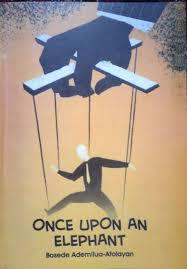
Once Upon an Elephant is a socio-political allegorical play by Bosede Ademilua-Afolayan inspired by traditional Yoruba oral aesthetics, specifically the folktale of the proud elephant tricked to its death by the cunning tortoise. Set in an unnamed traditional Yoruba village, the play dramatizes the perils of dictatorial leadership, political manipulation, greed, and the eventual triumph of collective resistance against tyranny.
The play opens in medias res as King Akinjobi lies old, sick, and dying. Serubawon, a manipulative palace physician and schemer, orchestrates a clandestine plot to crown Ajanaku (Olaniyonu), the younger son of the king, bypassing tradition and proper succession rules. Once enthroned, Ajanaku adopts the moniker of the 'Elephant' and rapidly spirals into a ruthless tyrant, stealing land from citizens, abusing power, and crushing opposition. Alongside his tyranny, dark family secrets unfold: Iya Agba, an ostracized elder falsely banished years ago, returns to expose palace corruption. It is revealed that Serubawon is actually Ajanaku's biological father through an illicit affair with the late king's wife, and that Serubawon caused King Akinjobi's slow illness. Seeking immortality and absolute control, Ajanaku attempts to perform the dreadful Ijedodo ritual, which requires the blood and sacrifice of a virgin. Horrifyingly, the chosen sixth victim is Desola, Serubawon's own daughter. Prompted by Iya Agba, the oppressed villagers, alongside characters like Odekunle and Desola, unite to resist. The ritual is intercepted, Ajanaku is weakened by a charmed red cloth wrapped by Odekunle and dies, and Desola is saved. Overwhelmed by exposure and guilt, Serubawon commits suicide by hanging, restoring peace, justice, and democratic order to the land.